

#SPONSORED
🚨 Last call: Join our paywall masterclass!

THIS WEEK: Our masterclass on paywalls with Barry Adams (Polemic Digital) and Harry Clarkson-Bennett (Leadership in SEO Substack) is happening!
Spots are limited. Use the code WTF10 for a discount! Join us on March 4!

Hello, and welcome back. Shelby here, back from a wonderful birthday weekend filled with all of my favourite things: food, family, friends, reading, my corgi Yoshi and beer. And, a little heartburn. But truly, I am feeling more grateful than ever for my life. What more can I ask for?
This week: Podcast SEO 101. As news consumption habits evolve, how we optimize content — across text, video and audio — for audiences to find it easier changes, too. We explain the basics of podcast SEO, why it’s important and key considerations. Keep an eye out for the 102 issue where we dive further into tactics.
Let’s get it.
THE 101
What is podcast SEO?
Podcast SEO is exactly what it sounds like. It’s optimizing podcast episodes and content for visibility in search engines and podcast directories like Apple and Spotify. It includes enhancing episode titles and descriptions, creating additional content, linking between those articles, improving host bios and recirculating episodes.
While optimizing podcast content for traditional organic search is vital, podcast SEO requires a multi-platform approach. You must think about all places people listen to their shows, including platforms like Spotify and YouTube, as well as on-site.
Why is podcast SEO important?
Put simply: news consumption habits have changed — and podcasts have never been more popular.
According to a November 2025 survey, 32.5 million people in the United States listened to podcasts on Spotify, while Apple had 28.5 million podcast listeners throughout the year. According to another early 2025 survey, 66 per cent of Americans aged 12 to 34 reported listening to a podcast the previous month. This is up from 59 per cent in 2024.
Google recognizes — and is adapting to — this behaviour change, too. In 2019, Google announced it would surface podcast episodes that were playable directly in search results. It was a shift, as previously podcasts could only rank like any other content in blue links.
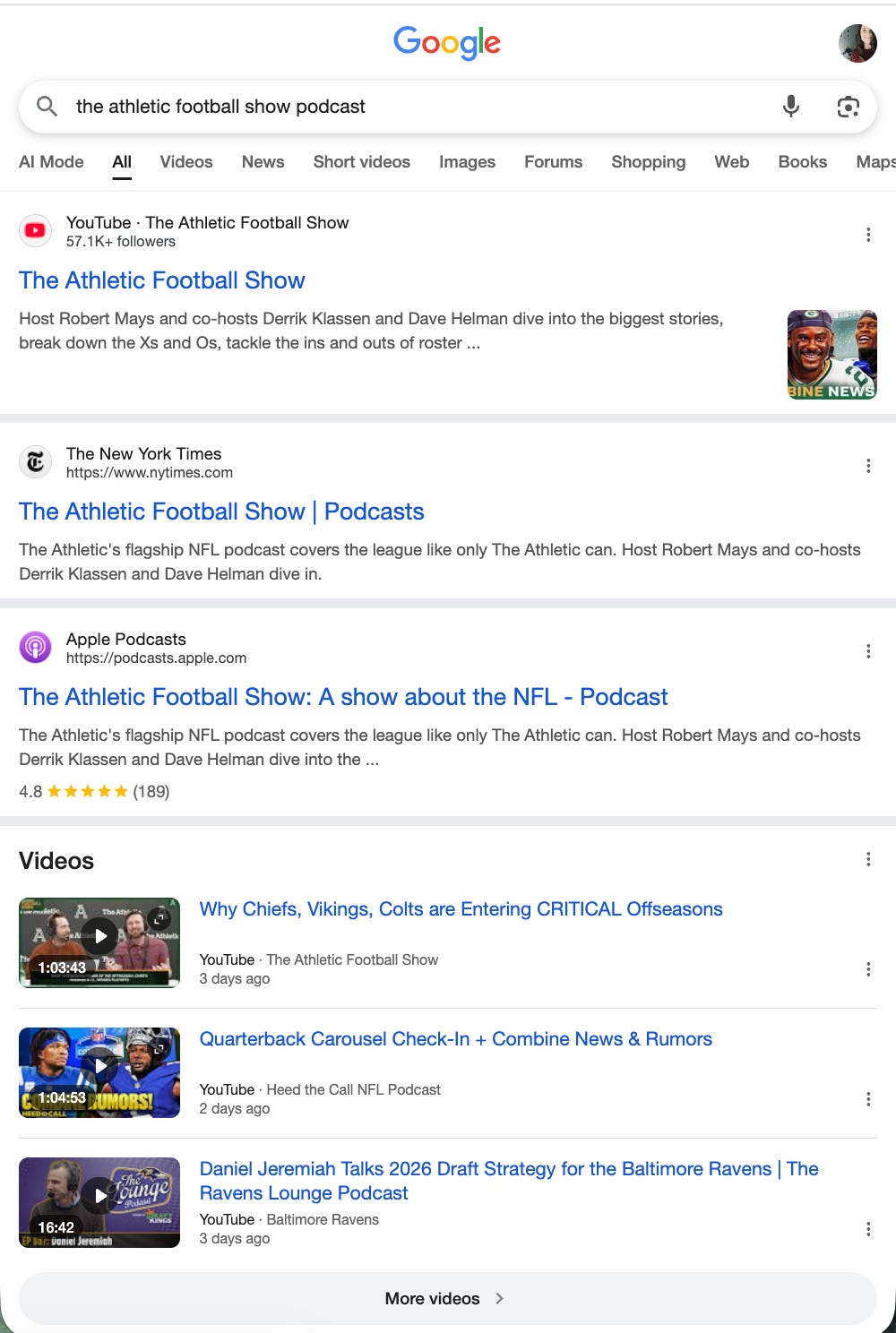
Google continued to shift towards other non-text formats, surfacing TikTok clips and YouTube videos in Search. In recent years, algorithm updates have prioritized non-text content, with these formats receiving a massive surge in visibility.
According to Trisolute News Dashboard’s mobile visibility report in late February 2026, youtube.com, instagram.com and reddit.com were among the top four sites in all ranking types. YouTube and Instagram’s rankings are predominantly video types.
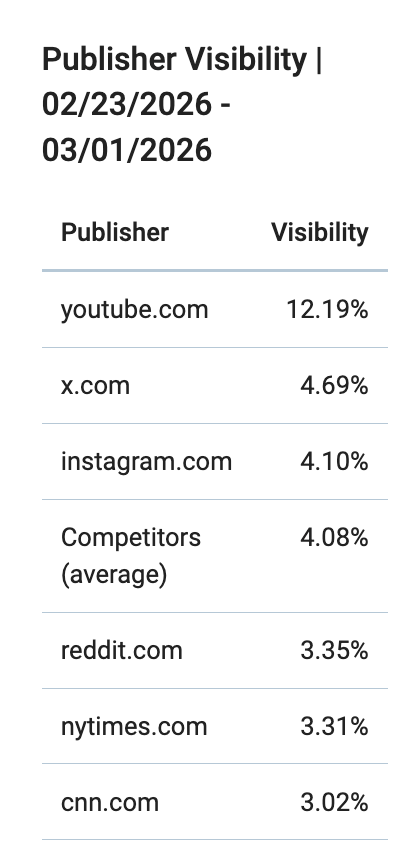
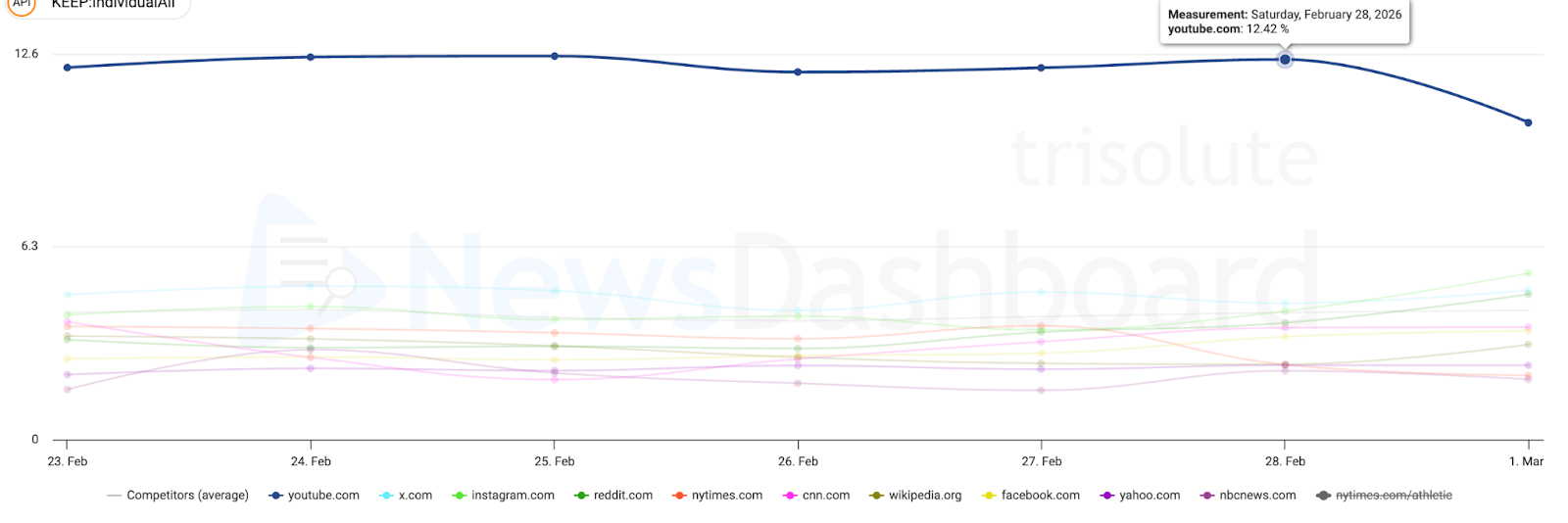
The “Video Box” feature consistently had 11 per cent of visibility on mobile SERPs. This means non-text formats, which includes video and audio podcasts, are more visible and prevalent.
Podcasts are not just audio entities; they can be text (transcript), video (the recording) and audio (the podcast itself). A 2022 Edison Research study found that podcast audiences listen to their favourite shows on multiple platforms. The top destination? YouTube.
As a result, podcast SEO is extremely important to publisher success both on and off traditional search engines.
THE HOW TO
What should I do right now for podcast SEO?
In a later issue, we’ll dive into the tactics to implement a holistic, multi-platform approach for optimizing podcast content.
For now, start by auditing the podcasts your publication provides and review their current state — for all platforms. Collect that data/information all in one place. Review internal data for podcasts as well as Google Search Console, and look at keyword research tools to determine which podcasts are currently getting traffic and from where. Then, move off-site and look at YouTube, Apple and Spotify metrics to get a 360-degree view of the performance.
The most successful podcast SEO doesn’t just focus on podcast platforms; it’s everything else. How are you promoting podcasts in social clips? Is it linked in from text-based content? Do on-site podcast pages have the appropriate structured data? Should the podcast have an on-site transcript?
What if my publisher has a ton of podcasts? It’s important to consider the breadth of your podcast library, and which resonate with your audience the most. It’s absolutely possible to optimize all podcast shows and their episodes, but will take a lot of effort. Be judicious with which shows and hosts are worth your time. Consider E.E.A.T and topic authority for your brand when considering where to start.
For example, The Athletic’s football podcast is a mainstay of the brand. The Athletic Football Show was amongst the first shows to launch, has the brand in the title and has a devoted audience. Optimizing this podcast to start is smart.
🔗 Read more: Mastering the YouTube algorithm — tips from Steven Wilson-Beales
The bottom line: Podcast SEO is a crucial component of the overall publisher audience strategy. If your publication provides podcasts, it’s important to consider where they are most popular and how the audience finds them. In a later issue, we’ll discuss the best practices for optimizing podcast content.
#SPONSORED - The Classifieds
Join our paywall masterclass happening March 4!
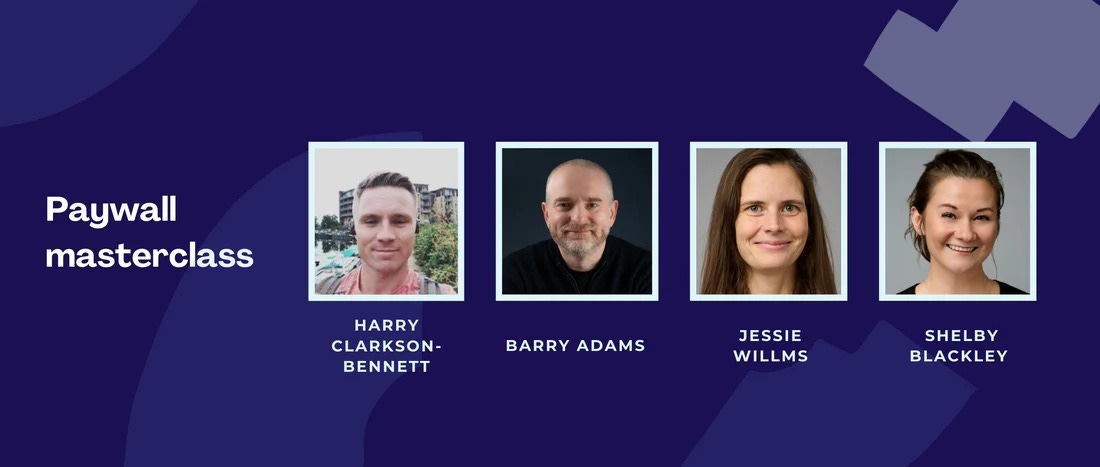
Our masterclass on paywalls with Barry Adams (Polemic Digital) and Harry Clarkson-Bennett (Leadership in SEO Substack) is happening soon!
Use the code WTF10 for a discount!
RECOMMENDED READING
Google news and updates
🤖 Google: The February 2026 Google Discover core update has officially completed rolling out.
Even more recommended reading
👥 Amanda Natividad: Best practices are meaningless without audience research.
🪭 Gianluca Fiorelli: Entity search, query fan-out, and practical machine learning for SEO.
🚥 Jason Tabeling: What 13 months of data reveal about LLM traffic, growth, and conversions.
📰 Clara Soteras: First study on the impact of AI Overviews on Spanish publishers.
🔗 Aleyda Solís: Google’s contextual overlay, pop-up link cards are now live in AI Mode.
What did you think of this week’s newsletter?
(Click to leave feedback.)
Catch up: Last week’s newsletter


Have something you’d like us to discuss? Send us a note on Twitter (Jessie or Shelby) or to our email: seoforjournalism@gmail.com.
Written by Jessie Willms and Shelby Blackley
Well, podcast SEO is best for your initial days of startup and for future growth because you get actual audience for that podcast and also high quality backlink and some media house coverage.